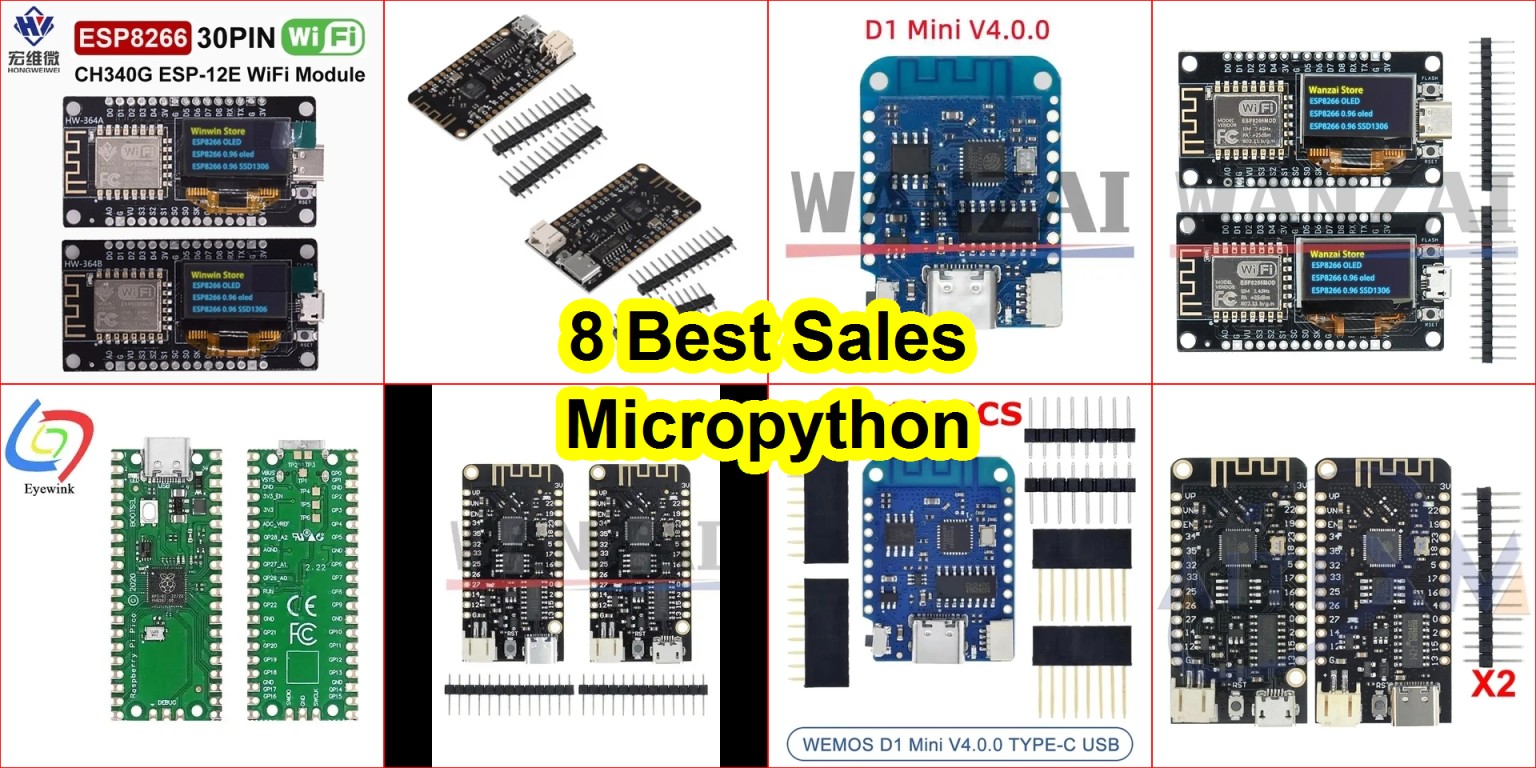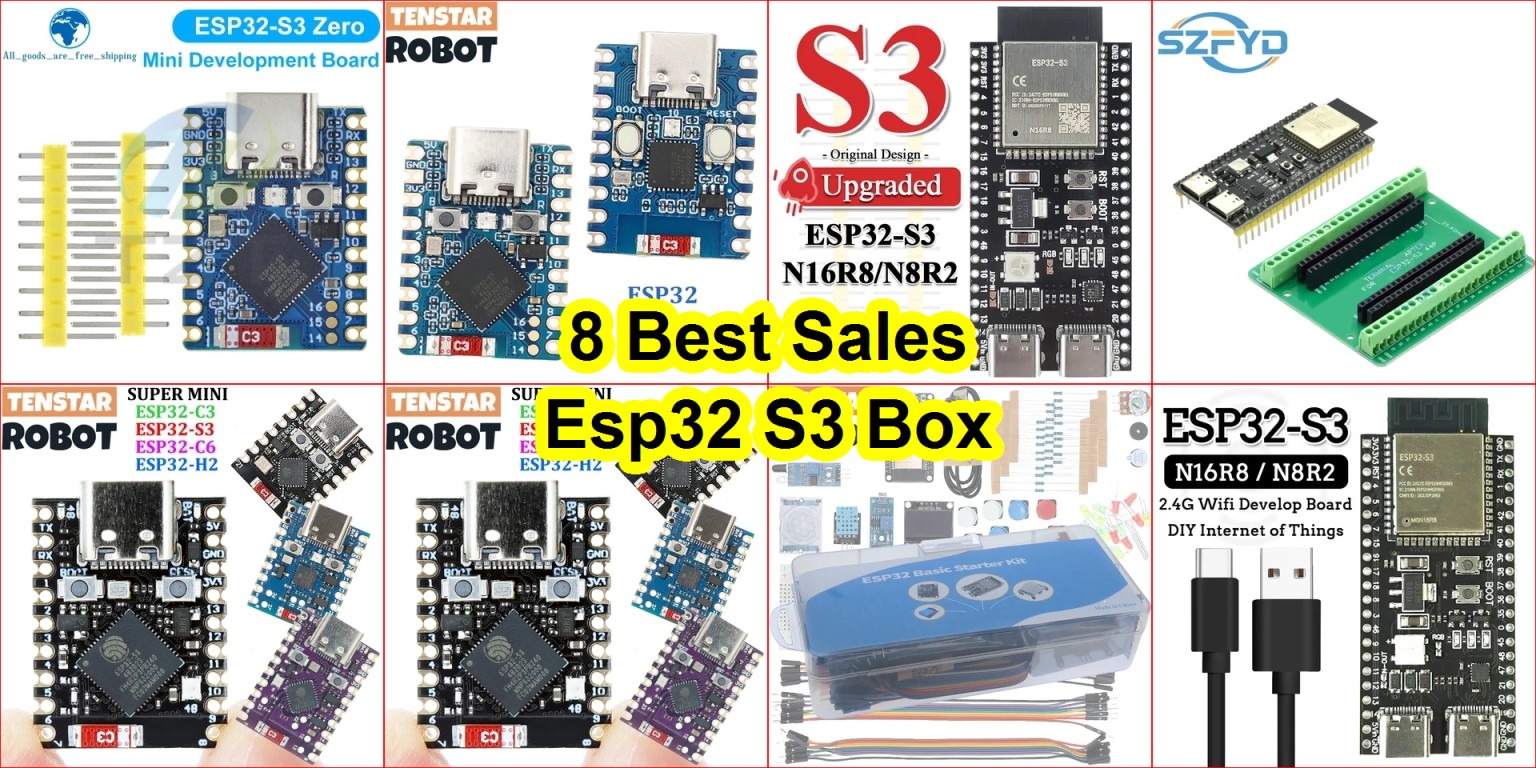
 |
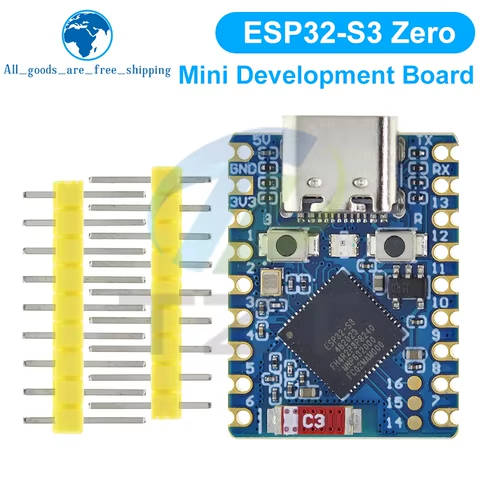
ESP32-S3-Zero Mini Board (Ultra-Compact Dev Board)
I picked up this ESP32-S3-Zero Mini because I needed a tiny WiFi + Bluetooth development board for a compact IoT project. Its ultra-small size and support for the latest ESP32-S3 chip really caught my attention—especially given the price on AliExpress compared to anything I’d find locally.
Out of the box, I was impressed by the packaging. It arrived in just under three weeks to my doorstep in the US, well protected in antistatic wrap. It’s really small—fits comfortably on a fingertip. It has a Type-C port, integrated antenna, and just enough GPIO pins to make it a functional powerhouse in a compact footprint.
Pros:
-
Extremely compact—perfect for wearables and mini IoT builds
-
Built-in WiFi and BLE 5.0 work flawlessly
-
Stable performance with ESP-IDF and Arduino IDE
-
Type-C port is a win
Cons:
-
No pin labels on the board—keep the datasheet close
-
Gets warm under load, but not critically
At $5-6 shipped, this is way cheaper than any ESP32-S3 dev board on Amazon, which usually run $12–18. It exceeded my expectations, and I’d call this one a hidden gem for advanced DIYers.
US $4.8
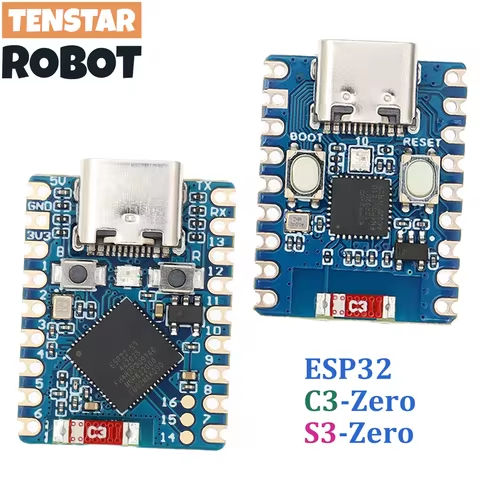 |
TENSTAR ESP32-C3 Supermini Board
This ESP32-C3 Zero from TENSTAR stood out because I was curious about RISC-V-based ESP32 chips, and the minimalist design really appealed to me for low-power sensor nodes.
It shipped in about 15 days, also in proper ESD-safe packaging. The board is tiny—barely larger than a USB plug—and runs great with ESP-IDF. Setup took a minute since I had to tweak the driver settings on macOS, but after that, smooth sailing.
Pros:
-
Affordable intro to ESP32-C3 RISC-V core
-
USB-C and boot/reset buttons onboard
-
BLE and WiFi worked as advertised
-
Ultra-low power draw
Cons:
-
GPIO layout is tight
-
Needs soldering to use full functionality
In the US, a similar RISC-V ESP32 board costs almost double. I’d say it fully met expectations and is now part of my low-power IoT toolkit.
US $3.11
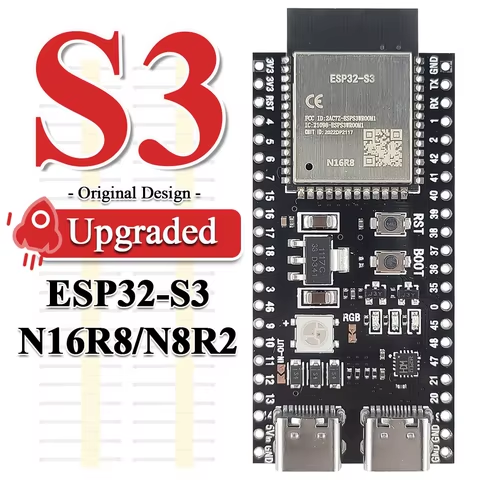 |
ESP32-S3WROOM1 Dev Board (N16R8 with PSRAM)
This ESP32-S3WROOM1 board caught my eye because of the onboard 8MB PSRAM and dual-core S3 chip—perfect for running complex apps or even some AI at the edge.
Shipping took 3 weeks, a bit longer than the others, but again, it arrived intact and was clearly new. What surprised me was how robust this thing felt. I hooked it up to Arduino IDE and TensorFlow Lite Micro in no time. I used it for gesture recognition with an IMU sensor—ran better than expected.
Pros:
-
High RAM capacity for heavier applications
-
Excellent documentation support
-
Built-in USB, 44 pins
-
Supports high-level ML frameworks
Cons:
-
No onboard regulator—watch voltage
-
Needs external components for full use
This would cost $20–30 in the States—got it for under $10. Big win.
US $6.24
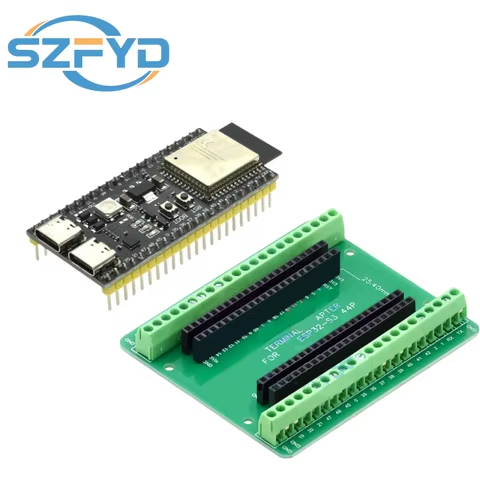 |
ESP32-S3 Expansion Board + Adapter Kit
I went with this ESP32-S3 Kit because I was tired of juggling jumper wires. The included expansion board and adapter made my workflow way smoother.
It arrived fast—just under two weeks. Everything was neatly packed in foam. Once I attached the adapter, it basically turned into a mini dev station. Ideal for debugging or developing before soldering to a final PCB.
Pros:
-
Plug-and-play debugging environment
-
Type-C interface, 44-pin breakout
-
Easy to prototype with
Cons:
-
Adapter pin alignment needs care
-
Slight bulk, not for final product use
Again, cheaper than any breadboard + ESP32 setup on Amazon. Saved me time and headache.
US $11.98
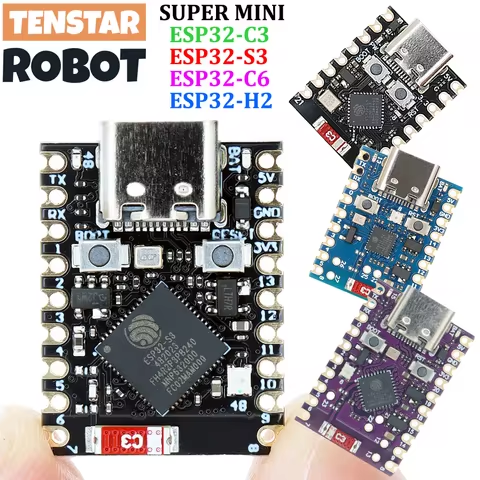 |
TENSTAR ROBOT ESP32-C3 Mini Dev Board
This TENSTAR ROBOT ESP32-C3 board was a backup I grabbed for future small IoT sensor modules. I’ve had decent experience with the brand, and at this price point, it was a no-brainer.
The board showed up in 14 days, bubble-wrapped. Flashed it with ESPHome and integrated it into Home Assistant—super smooth. For under $5, it became a fully functioning WiFi-connected sensor node.
Pros:
-
Stable WiFi/BLE
-
Pre-soldered headers
-
Ideal for HA and MQTT builds
Cons:
-
Not beginner-friendly; needs custom firmware
It worked perfectly for what I needed. Equivalent boards in the US cost twice as much.
US $0.99
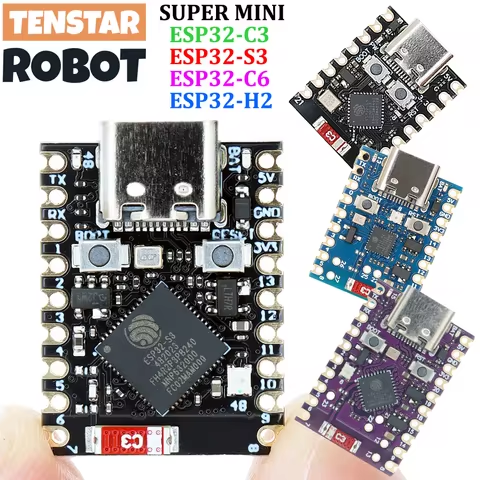 |
XIAO ESP32-S3 SuperMini Module
I bought the XIAO ESP32-S3 because I’ve been building wearables and needed something compact but powerful. The Xiao form factor is ideal.
Took about 17 days to arrive, and the first thing I noticed was the soldering quality—excellent. Worked out of the box with PlatformIO. BLE performance was rock solid.
Pros:
-
XIAO pinout = smaller footprint
-
Powerful despite size
-
Excellent for smart wearables
Cons:
-
Limited GPIOs
-
Needs breakout board for full utility
This board would cost over $20 in the US—paid under $8. It exceeded my expectations in both design and performance.
US $2.87
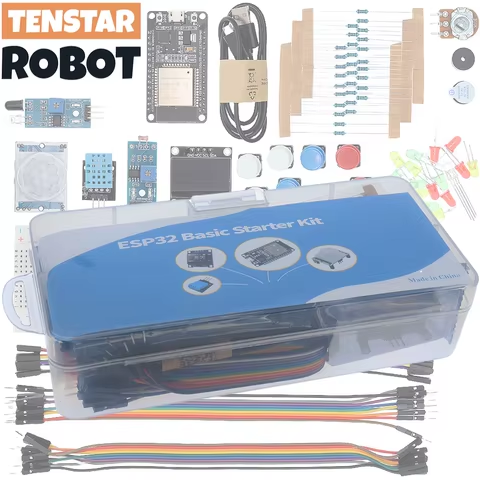 |
ESP32 Starter Learning Kit
I got the ESP32 Starter Kit because I’m mentoring a beginner and wanted a complete box with tutorials and parts. This one had everything: ESP32 board, sensors, wires, breadboard, etc.
Shipping took about 3 weeks but was totally worth the wait. The tutorials are pretty beginner-friendly, and all parts came organized in a labeled box. Great value for someone starting out.
Pros:
-
All-in-one kit with decent tutorials
-
Organized packaging
-
Great for students or hobbyists
Cons:
-
Sensors are entry-level
-
ESP32 board is basic (not S3)
For $15–17, this rivals $35–40 US kits. Great intro pack.
US $10.43
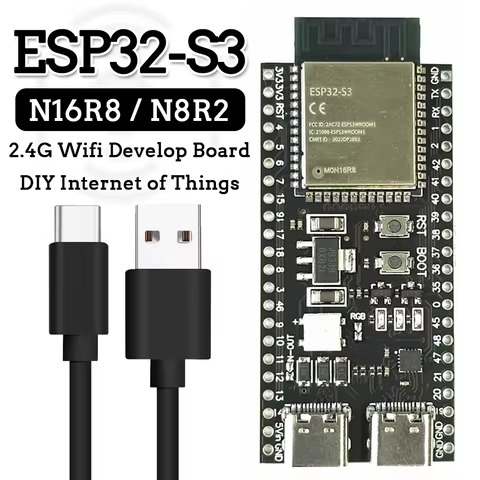 |
ESP32-S3WROOM1 Board (N8R2)
Last one I got was another ESP32-S3WROOM1 board, but this version has 8MB Flash and 2MB PSRAM (N8R2). It was a backup for my S3 development and cost just a few bucks.
It’s almost identical to the earlier S3WROOM1 board but more stripped-down. Works great for lightweight ML, OTA updates, and general WiFi/BLE automation projects. Super stable, easy to flash.
Pros:
-
Reliable ESP32-S3 module
-
Affordable dev platform
-
Ideal for custom firmware projects
Cons:
-
No fancy add-ons
-
Needs soldering headers
At around $6, it’s unbeatable. Performs just like a $20+ board in the US.
US $6
Overall Verdict
Honestly, I was a bit skeptical ordering so many boards from AliExpress, but each product delivered better than expected. The quality, performance, and pricing are unmatched. Shipping times varied but were reasonable across the board. I’d definitely recommend these boards for both beginners and experienced devs—especially if you’re okay waiting 2–3 weeks for delivery. Already planning my next order.